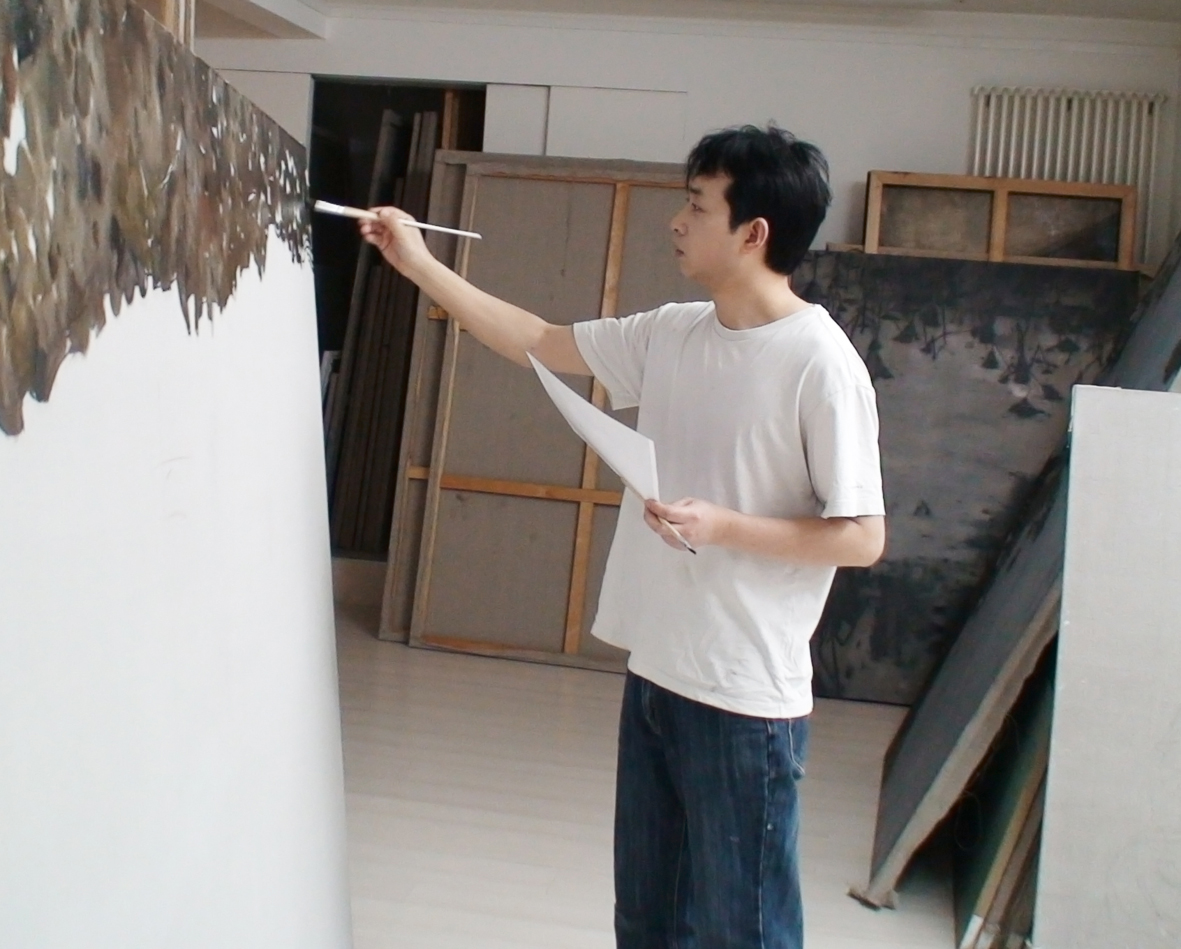
About Ye Jianqing
Ye Jianqing is a contemporary Chinese painter known for his atmospheric landscapes and Hutong scenes. As a result, his works often explore memory, time, and the transformation of urban and natural environments. Moreover, his paintings combine photorealistic techniques with expressive painterly qualities. Therefore, his works exist between realism and poetic interpretation.
Born in Zhejiang, China, Ye Jianqing received both his Master’s degree and PhD from the Central Academy of Fine Arts (CAFA) in Beijing. After that, he continued to teach at the Fresco Department in CAFA. As a result, his practice combines academic research, technical mastery, and personal artistic exploration.
Artistic Practice and Themes
Ye Jianqing’s paintings focus on landscapes, lakes, forests, and traditional Hutongs. However, these subjects are not simply realistic depictions of places. Instead, they represent psychological spaces shaped by memory and experience. As a result, his paintings often appear dream-like and contemplative.
Moreover, his works reflect the rapid urbanisation of China. Therefore, many paintings depict spaces that are disappearing or changing. At the same time, the paintings are quiet and poetic rather than critical or dramatic. Consequently, his works evoke reflection rather than documentation.
The Hutong Series
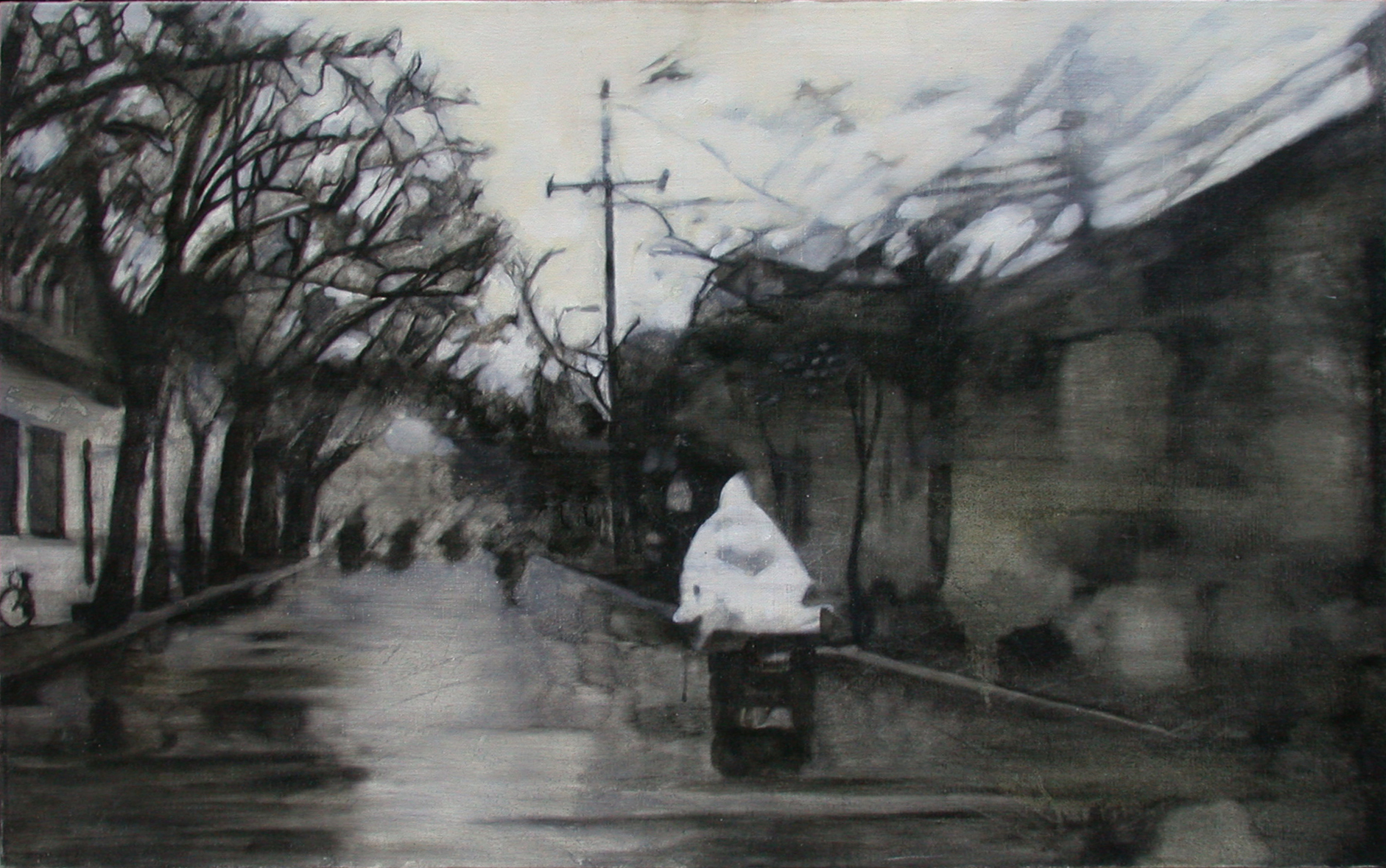
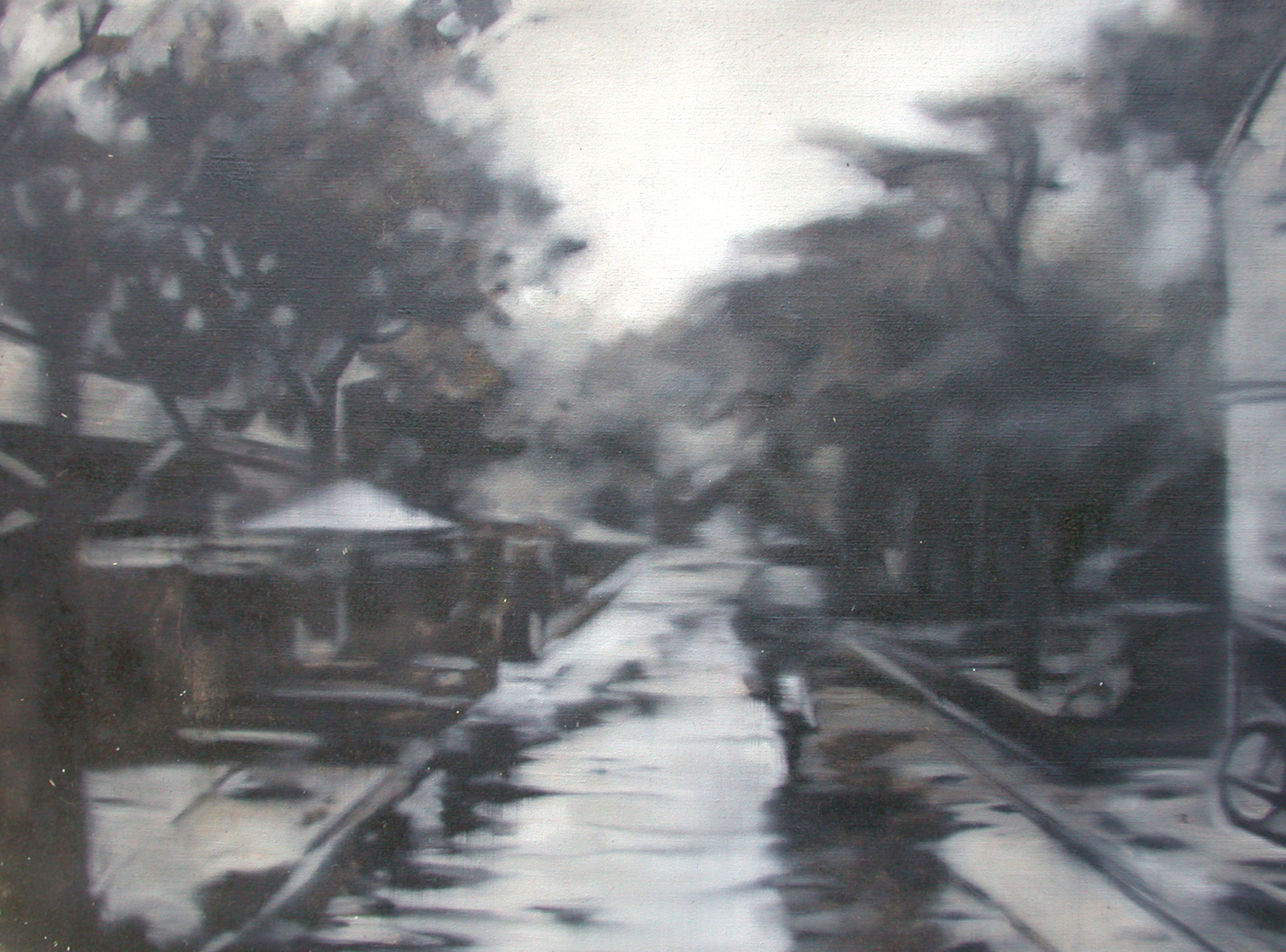
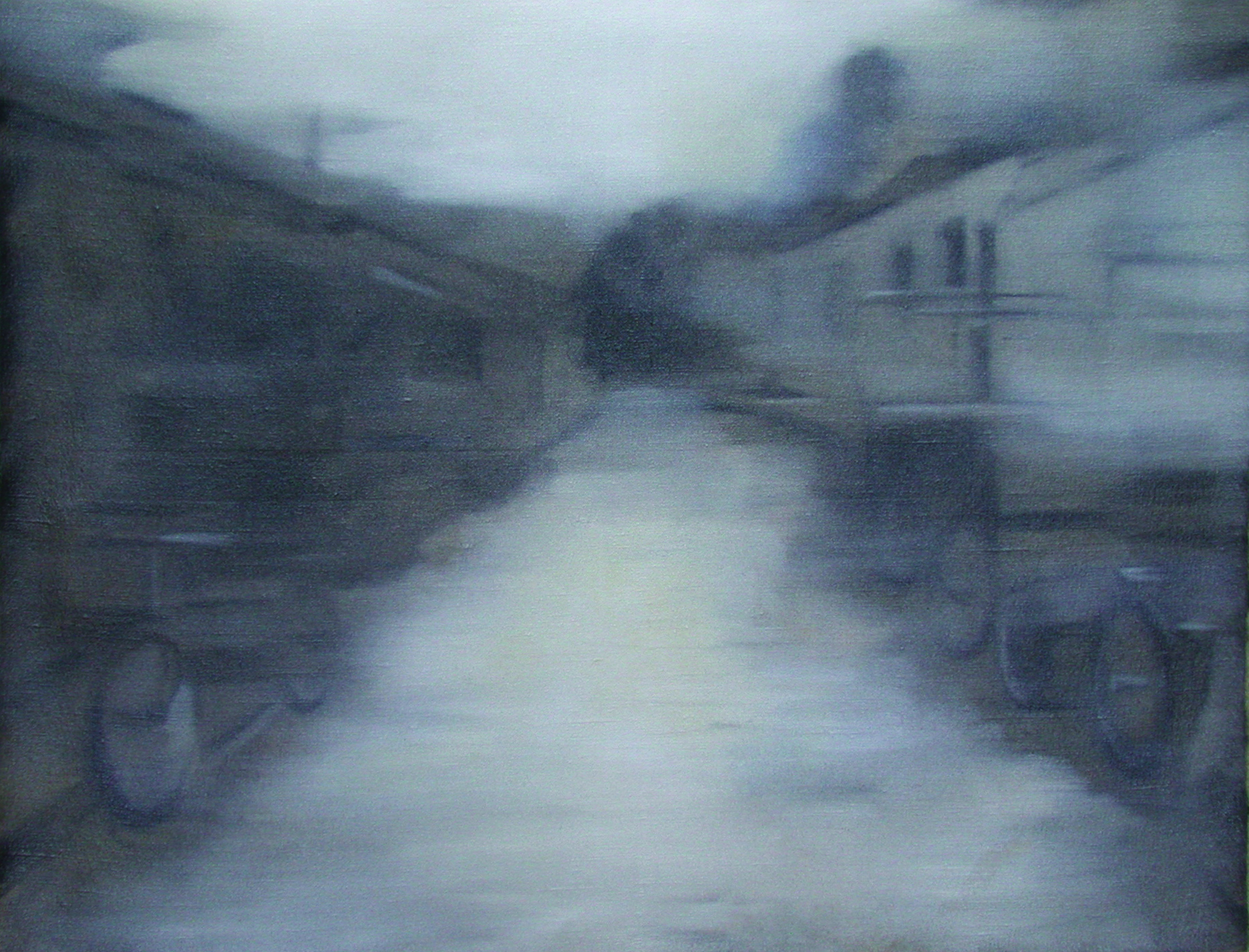
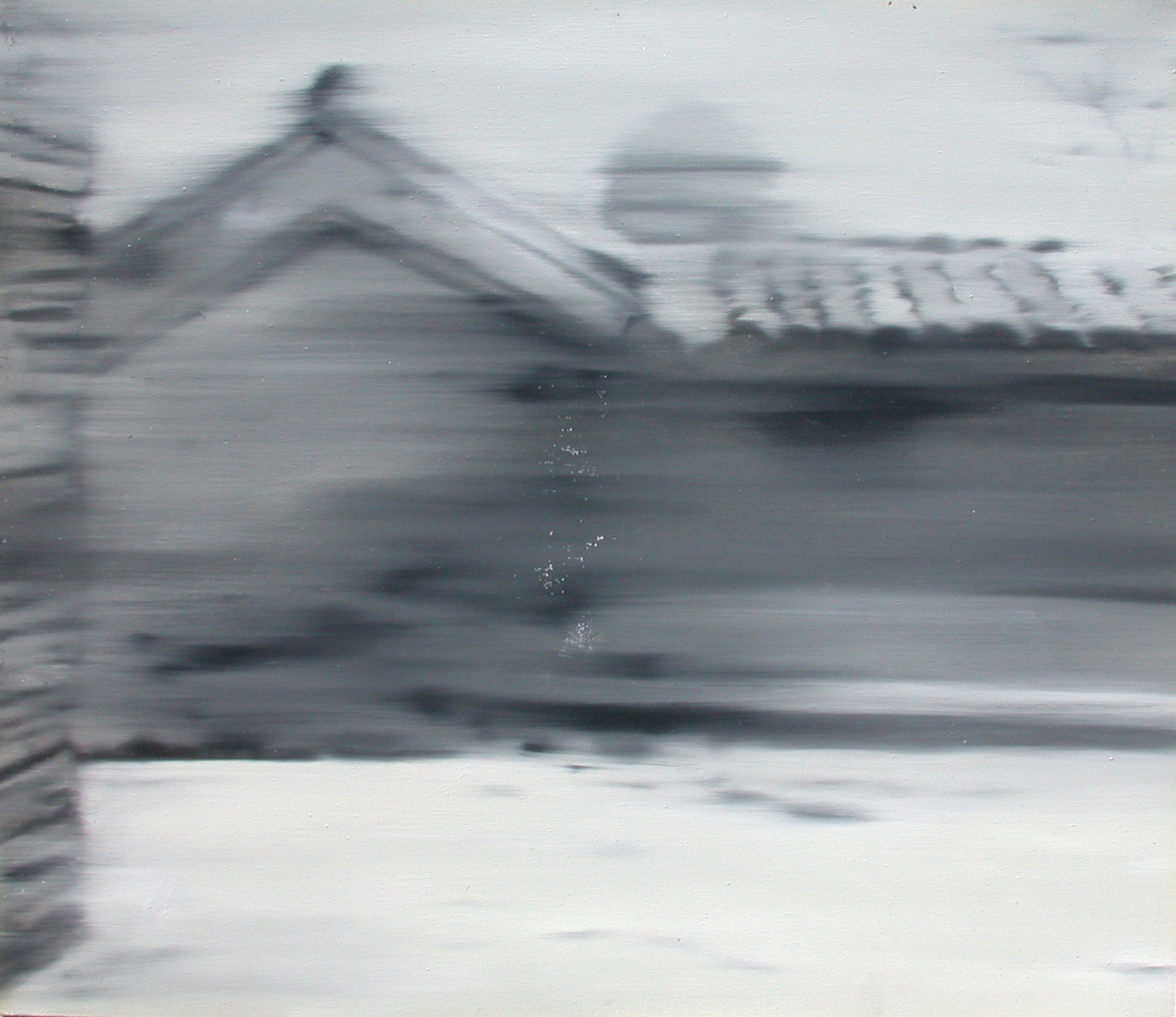
One of Ye Jianqing’s most recognisable subjects is the Hutong, the traditional alleyways of Beijing. Historically, Hutongs were built between the Yuan, Ming, and Qing dynasties. However, many Hutongs are now disappearing due to modern development. As a result, Ye began painting Hutongs as a way to preserve memory and atmosphere.
In these works, the Hutong is often shown in soft focus or blurred motion. Therefore, the space appears both real and distant. Moreover, the absence of people creates a sense of stillness and nostalgia. Consequently, the Hutong becomes a symbol of cultural memory and urban change.
Landscape Paintings
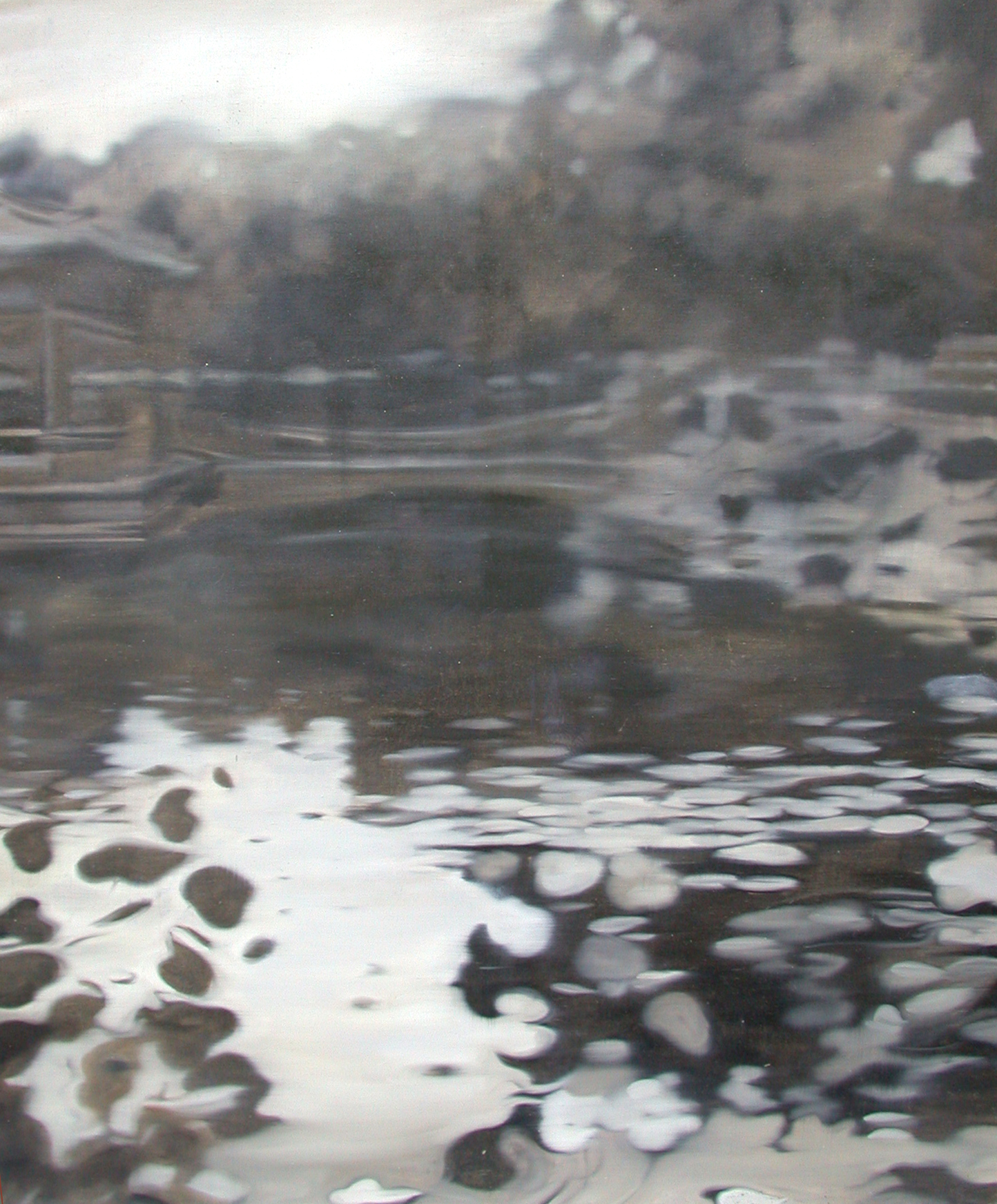
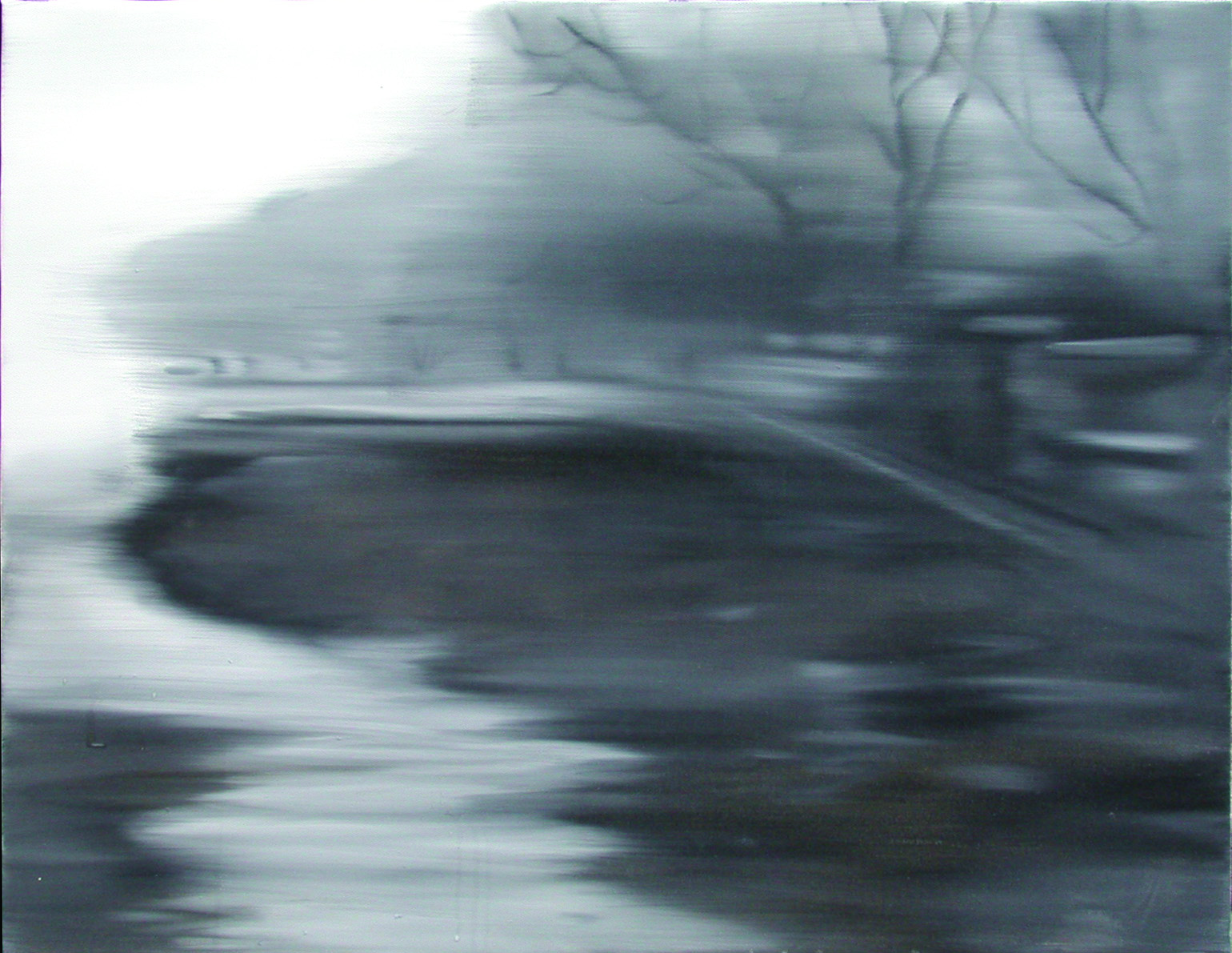
In addition to Hutongs, Ye Jianqing also paints lakes, forests, and snow landscapes. For example, scenes such as Beihai Lake and Houhai appear in his works. In these paintings, water, mist, and light are important visual elements. As a result, the landscapes appear calm and timeless.
Furthermore, these landscapes are often slightly blurred or softened. Therefore, the viewer experiences the painting as a memory rather than a direct observation. At the same time, the compositions remain carefully structured and balanced. Consequently, the paintings combine realism with poetic atmosphere.
Style and Technique
Ye Jianqing is known for his use of muted monochrome colours. In particular, he often uses greys, soft blues, and subdued tones. As a result, the paintings resemble old photographs or early black-and-white film. Moreover, this monochrome palette reflects the idea of memory and the passage of time.
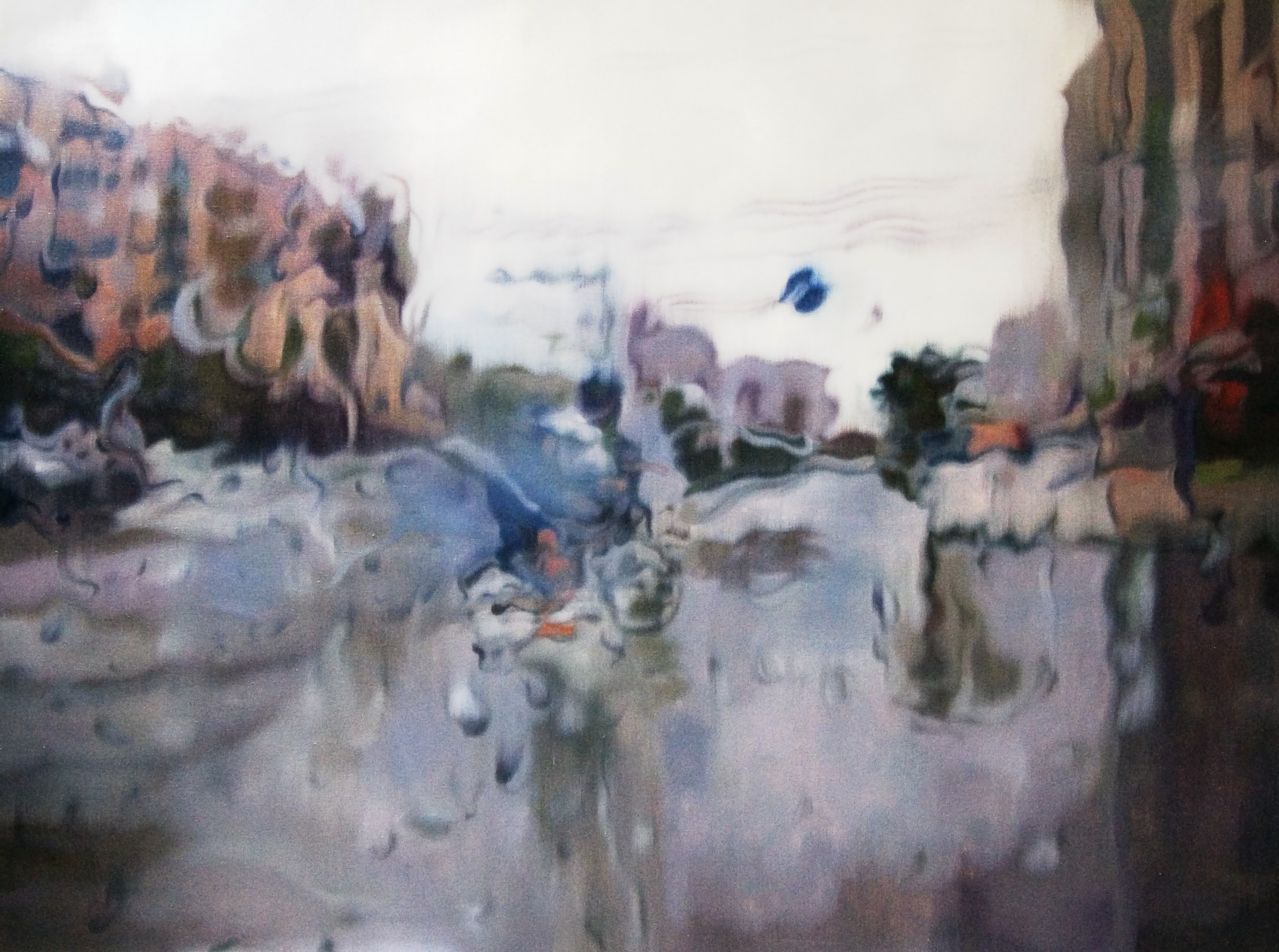
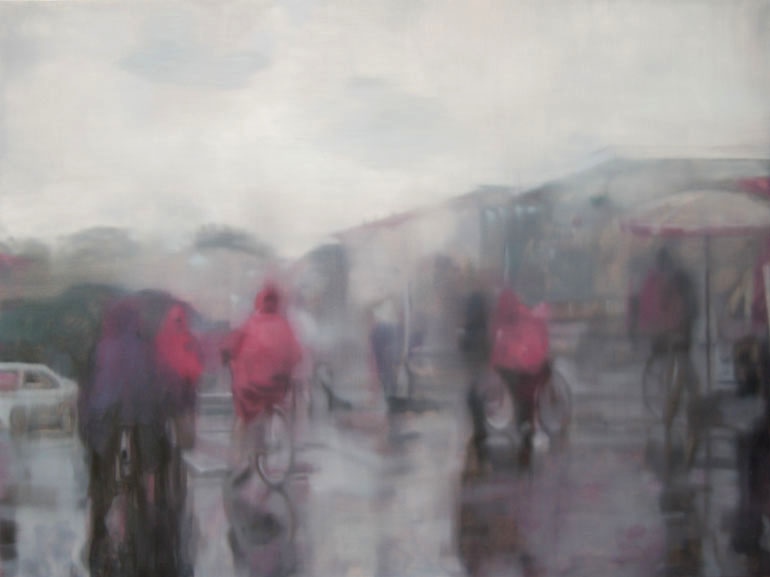
Technically, Ye combines photorealistic painting with blurred brushwork. Therefore, the paintings appear realistic from a distance but painterly up close. In addition, this technique creates a sense of movement and atmosphere. Consequently, his works are both visually realistic and emotionally expressive.
Photography and Painting
Photography has played an important role in Ye Jianqing’s artistic development. However, he does not simply copy photographs. Instead, he transforms photographic images through painting. As a result, the final work exists between photography and painting.
Moreover, the blurred effect in his paintings is intentional. Therefore, the viewer cannot fully enter the scene and must instead reflect on it from a distance. Consequently, the paintings encourage contemplation rather than direct observation.
Nature and Society
A recurring theme in Ye Jianqing’s work is the relationship between nature and society. On one hand, he paints natural landscapes such as lakes and forests. On the other hand, he paints Hutongs and urban environments. Therefore, his work reflects the relationship between tradition and modern development.
As a result, many paintings contain a sense of quiet tension between past and present. At the same time, the paintings remain calm and balanced. Consequently, the viewer is invited to reflect on the cost of progress and the passing of time.
Exhibitions and Recognition
Ye Jianqing has exhibited internationally and has received critical recognition from collectors and institutions. Moreover, his works have been collected by private collectors and institutions. Therefore, he is regarded as an important contemporary Chinese painter working between realism and contemporary art.
At the same time, his academic career at the Central Academy of Fine Arts continues to influence younger generations of artists. Consequently, his role as both artist and educator remains significant in contemporary Chinese art.
Selected Solo Exhibitions
- 2009 | iPreciation, Singapore
- 2012 | iPreciation, Singapore
Selected Group Exhibitions
- 2019 | 20th Anniversary, iPreciation, Singapore
Images of Artwork